

Examples like Zohran Mamdani’s win in the New York City Mayoral race last year or Brandon Johnson becoming mayor of Chicago a few years earlier, are some of the highest profile examples of progressive movement candidates winning local office. They’ve demonstrated that movements can win as well as how challenges can arise when working to place a single elected official into a local seat amidst a sea of colleagues to their political right. Meanwhile, left leaning electeds often immediately face criticism about their commitments to the movement organizers and the communities who helped put them in office the day their tenure in office begins.
But in Philadelphia, City Councilmember at Large Kendra Brooks, along with the community organizations who serve her constituents and shaped her values, have stayed in the difficult work of governing together. Councilmember Brooks is a member of the Working Families Party who holds an at-large minority seat on the city’s council. She contends that this role requires a diligent tending to the feedback between her office and the communities she serves if she is going to deliver the promises she campaigned on. We had the opportunity to talk with Councilmember Brooks as well as two of the community stakeholders she continues to work with as a sitting Philadelphia city councilmember. They are Pennsylvania Director for the National Domestic Workers Alliance, Nicole Kligerman and Director of Amistad Law Project, Nikki Grant. In the episode we discuss the opportunities and challenges they’ve faced together winning material victories for working people in the city.
Want more?
- Enrich your media diet: Movement Media Alliance
- Contact us: [email protected]
- Subscribe to Convergence Magazine’s YouTube to catch the video premiere of each episode: Mondays at 7:00 PM ET / 4:00 PM PT
- Have we made a difference in your life? Help us keep it going. convergencemag.com/membership
This transcript was automatically generated and may contain errors.
[00:00:00] Cayden Mak: Welcome to Block and Build a podcast from Convergence Magazine. I’m your host and the publisher of Convergence Cayden Mak. On this show, we’re building a roadmap for the movement that’s working to block the impacts of rising authoritarianism while building the strength and resilience. Of the broad front that we need to win.
[00:00:24] This week on the show, we are doing a deep dive into the ongoing project of co-governance in the city of Philadelphia, council member at large. Kendra Brooks took her seat on the city’s council in 2019 and remains committed to work in a system of co-governance with the organization’s movement that developed her leadership.
[00:00:40] We’re joined this week by Council Member Brooks, as well as the Pennsylvania Director of the National Domestic Workers Alliance. Nicole Kligerman and co-executive director of Amistad Law Project, Nikki Grant, to discuss what they’ve been able to do through municipal co-governance. We prepared this episode in advance so our producer can take a few days off, which means I don’t have any headlines for today’s episode, so we’ll be right back with my panel on co-governance in Philly.
[00:01:01] After this short break.
[00:01:04] Sound on Tape: Hey everybody. This is Maurice Mitchell, national Director of The Working Families Party. I read and give to Convergence because it has become a home for me to engage in critical analysis, find practical advice for organizing and strategy and inspiration in the belief that a better world is not only possible.
[00:01:25] We can build it to make either a one-time donation or become a sustaining member. Visit convergence mag.com/donate. You can find a direct link in the show notes. Thanks for listening.
[00:01:43] Cayden Mak: Examples like Zoran Manny’s win in the New York City mayoral race last year, or Brandon Johnson becoming the mayor of Chicago a few years back are some of the highest profile examples of progressive movement candidates winning local office. They’ve demonstrated that movements can win as well as how challenges can arise when working to place a single elected official into a local seat amidst a sea of colleagues to their political right.
[00:02:03] Meanwhile left leading electeds often immediately face criticism about their commitments to the movement organizers and the communities who help put them in office the day their tenure begins. But in Philadelphia City Council member at large, Kendra Brooks and community organizations who serve her constituents and shaped her values have stayed in the difficult work of governing together.
[00:02:23] Council Member Brooks is a member of the Working Families Party, who holds an at large minority seat on the city’s council, which we will explain in the interview. She contends this role requires a diligent tending to the feedback between her office and the community she serves, if she’s gonna deliver on the promises she campaigned on.
[00:02:39] We had the opportunity to talk with Council member Brooks, as well as two of the community stakeholders. She continues to work with as a sitting Philadelphia City council member to discuss the opportunities and challenges that they face together winning material victories for working people in Philadelphia.
[00:02:53] Take a listen.
[00:03:01] I’d like to start, uh, by introducing each of our three panelists today. My first guest is the minority leader of the Philadelphia City Council, Kendra Brooks. She’s the council member at large from North Philly and the first working Families party member ever elected to City Council. Kendra, thank you so much for making the time to join us today.
[00:03:17] Kendra Brooks: Thank you. Thank you so much for having me.
[00:03:20] Cayden Mak: Uh, next we’re also joined by the Pennsylvania Director of the National Domestic Workers Alliance, Nicole Kligerman. Nicole, thanks for making the time.
[00:03:26] Nicole Kligerman: Hello everybody,
[00:03:28] Cayden Mak: and also we are joined by the co-executive director of the Amistad Law Project Nikki Grant.
[00:03:33] Nikki, it is nice to see you.
[00:03:35] Nikki Grant: Hello. Thanks for having me.
[00:03:36] Cayden Mak: To get things started, this conversation is really gonna be an exploration of the model of co-governance that you all are working on right now in Philadelphia. So we’d like to go around and invite each of you to briefly tell us a little bit more about your personal role in how co co-governance works in the city and how it connects to that project.
[00:03:54] Let’s start with Council member Brooks. Uh, could you talk a little bit about your role in co-governance in the city?
[00:04:00] Kendra Brooks: Sure. So my name is Kendra. I was a, I’m a minority minority leader for Philadelphia City Council, and my background is as an organizer. Um, so I started organizing. I went to state, tried to privatize my children’s school.
[00:04:14] I started. Helping out with organizations doing grassroots work in Philadelphia organizations like Parents United for Public Education 2 1 15 Peoples Alliance. And I’ve worked very closely with my movement sisters here with me today, both Nicole and Nikki through the Alliance for just Philadelphia.
[00:04:31] And even before that on some, I think it was paid sick leave with Greenley when Nicole and I worked together and with Nikki. Oh my god, it’s been. Just as long on many projects. So we were already connected before I was an elected official. These are my movement sisters and family, so I’m deeply grounded because this work for me is beyond just traditional electoral politics.
[00:04:59] This is about moving a needle forward on what it means to build a movement.
[00:05:04] Cayden Mak: Amazing. Nikki, could you talk a little bit about the role of Amistad Law Project in the work of co-governance?
[00:05:11] Nikki Grant: Sure. So Amistad, you know, we are fighting to end mass incarceration in Pennsylvania, specifically around life and long-term sentences.
[00:05:21] But in Philly we are fighting for robust and like real community safety solutions that don’t rely on police and prisons. So we are also members of the Alliance for Just Philadelphia, which is a coalition of several groups across several issue areas. And it’s important for us that we like work together with all of our movement groups that we work with and with our elected officials that are we, that we trust to actually move both the work that we care about forward and like all of our work forward together.
[00:05:52] Cayden Mak: Great. And Nicole, what is the role of the of NDWA in Phil?
[00:05:56] Nicole Kligerman: Sure. So I’m a fourth generation Philadelphian and I’ve been a union and immigrant community organizer for the past 15 years. And for us, co-governance is really critical. You know, domestic workers, nannies, house cleaners and caregivers have been excluded from every level of labor protection because of the legacy of enslavement in this country.
[00:06:17] Co-governance means not just that there is. Laws, one to protect worker domestic workers, but the very workers, all of our members are black and Latino women who have been excluded for 400 years from. Labor policy and protections are at the table. Um, so I know we’ll get into this, but it’s been really meaningful to work, uh, with Council member Brooks, who famously herself is a former domestic worker, not just in winning, um, the Power Act, which protects 750,000 workers in Philadelphia, but ensuring that low wage workers and really marginalized workers are.
[00:06:48] At every single, um, step of the way. And we’re also very active members in the Alliance for Adjust Philadelphia. Um, particularly around, uh, the budgeting process. We know that a budget is a moral document and where the city invests its money is what it cares about. So working closely with the Alliance as well as, uh, with Council member Brooks and her office to ensure that our city is actually investing in things it needs, like protecting low wage workers and not things it doesn’t like mass incarceration.
[00:07:16] Cayden Mak: Amazing. And also quickly, because our audience is a national audience and folks might not know about some of the sort of like unique parts of the Philly City Council that have kind of made some of this work possible. I don’t know. Councilwoman Brooks, if you could talk a little bit about how the Philly City Council is set up and the ways that has given you opportunities to do some of this work.
[00:07:38] Kendra Brooks: Sure. So I ran for Philadelphia City Council in 2019 with a council, uh, now council member O’Rourke. Uh, our city council was set up. We have 17 seats. Uh, seven are at large, 10 are district seats. Out of the seven at large seats two were reserved for a minority party, and traditionally that minority party seat would just be given to a Republican.
[00:08:01] Cayden Mak: Mm-hmm.
[00:08:02] Kendra Brooks: Highly Democratic city. I ran under the Working Families Party line, along with Council Member O’Rourke in 2019, and I won. I became the first Working Families Party elected in the city of Philadelphia. Um, then in 2023, when it was time for reelection, we also brought in Nicholas O’Rourke. One unique piece about this, I just wanna add to the Alliance, the platform that we originally ran off of back in 2019.
[00:08:28] Came directly for the Alliance for just Philadelphia. And I think all of us were in the create the creating of this alliance to challenge elected officials to not just hear the voice of community members, but if we’re gonna, if you want our vote, these are the things that we need you to do. And then Nicholas and I ran on that same platform and then moving forward, we have co-governance with those same groupings.
[00:08:52] So that’s a little history about. Um, not just this third party seat that we hold now, our collection to the movement and our ongoing commitment to the movement because it was cre this when I said this is part of building a movement. Our seats and our relationships to city politics was built and born in movement.
[00:09:14] Cayden Mak: Yeah, no, that makes sense. And I feel like that is really the heart of. This. And yeah, I think I, I’m really excited to sort of get into also the stuff, the lessons that you all have learned through this process as ways that like folks might be able to replicate this in other cities and at other levels of government.
[00:09:31] So let’s get into a little more of the nitty gritty of, of that co-governance and talk a little bit about what it means to kind of strategize together to exercise power together in practice. Um, what does collaboration look like on a very basic level? Like how are you communicating? What are the ways that you have.
[00:09:48] Are able to include the sort of like voices and the power of ordinary people in decision making at the city level. Let’s start with you, council member Brooks, and then we can talk to Nikki and Nicole about it too.
[00:09:58] Kendra Brooks: Collaboration to us is meaningful and it’s intentional in this relationship building that we have, kind of is what I said prior.
[00:10:05] Um, it’s hard to take on power when you’re. Doing progressive organizing, you are often up against very powerful institutions with endless amount of money. So it was very important that I am working in close collaboration with movement groups to help build and develop inside outside strategies. So we work closely together with movement organizations because.
[00:10:30] I don’t know how to make policy any other way. So it was very important to me to protect the people, my people, and make sure that the concerns are heard while we’re building this, because oftentimes other ways of governing does not prioritize people. And I think it’s rooted that I’m from movements based movement.
[00:10:48] I’m from movement-based spaces, and I never wanted to be a pol politician. I joke about this all the time, and when I first got elected, people told me I shouldn’t say that, but. All jokes aside, like I’m really clear to my movement leaders, like you guys put me here and I understand why I am here and that’s why I’m able to do this organizing inside out, but I cannot do it without my movement family.
[00:11:13] Cayden Mak: Mm-hmm.
[00:11:13] Kendra Brooks: Mm-hmm. You know, and I think for me, that’s why it’s so important for us to continue to work collaboratively in all the projects that we do. ’cause that’s how we win.
[00:11:21] Cayden Mak: Totally. Well from the movement organization side Nikki and Nicole, I’m interested in hearing like, what are the ways that you are able to engage your bases, your memberships, to be part of this project and, and what does that look like in practice for each of you.
[00:11:37] Nicole Kligerman: Sure. Well, I think the, um, most recent and powerful, no pun intended example, is our recent collective win of the Power Act, which stands for Protect our Workers and Force Rights. So, like I said, domestic workers are excluded from every single local, state and federal labor protection because. I’m sure we’re all history nerds.
[00:11:58] But the important piece of this is in that in the thirties when those new deal era labor laws were passed for the first time, the deal with the Devil of Congress people, congressmen at that time to get those labor laws passed was excluding agricultural workers and domestic workers from those protections because that was work done by enslaved people.
[00:12:15] And that legacy, ongoing legacy of enslavement is enshrined in law. So we won the Domestic Worker Bill of Rights in 2019. Prior to council member Brooks’ coming into office, and that creates like critical floor protections for nannies, house cleaners and caregivers in Philly became really quickly clear that laws on paper do not meaningfully translate into material change in people’s lives.
[00:12:39] So, um, and bad bosses were continuing to violate the law and the city wasn’t taking the steps necessary to actually go after bad actors and protect those workers. Um, so then we. Decided we needed to do another campaign and approached council member Brooks to work together to expand retaliation protections, have real punishment for workers that violate the law and really improve the way that the city can protect workers and not just domestic workers, but all 750,000 workers in the city who are not unionized.
[00:13:10] And I think what’s really important about that victory, which is massive, and we bought, we beat. All of the big businesses, like all of the powerful billionaire actors in Philadelphia who did not want to see this happen, is that it’s not just about the outcome, but it’s really about the process. Any elected officials in Philadelphia who are connected to domestic work on a personal level?
[00:13:34] That personal connection does not necessarily translate into the policies and respect that domestic workers deserve. So I think a real difference in co-governance with Council Member Brooks is the degree of literal daily collaboration with. Not just myself or staff, but with domestic workers themselves who are in every policy meeting with council member Brooks and her staff.
[00:14:00] Because I think a critical piece of this is also like real leadership is not just one person ahead, but you know, council member Brooks has really built an incredible team of staff that are deeply rooted in movement that you know, I know that myself and Nikki have worked with. Prior to them coming into, you know, [email protected] email addresses.
[00:14:19] So there’s deep trust over a lot of years to say, okay, there’s an inside strategy and an outside strategy here too. And we value not just winning, but how we win. Mm-hmm.
[00:14:29] Nikki Grant: Mm-hmm. We work
[00:14:30] Nicole Kligerman: together powerfully throughout. That’s when you can stare the Chamber of Commerce, the Restaurant and Lodging Association, Aramark.
[00:14:38] Amazon in the face and say like, we are gonna beat you. And, and then we won. We won really big. And that matters not just for winning, but implementing, right? Because there’s a real sense of not just like we won a 44 page law, but we are upsetting power. And it’s very meaningful for my members that council member Brooks was a former domestic worker, but that wouldn’t be enough if they weren’t included and embedded within the upsetting of the power structure, kind of from A to Z and ongoing as we fight for a fully funded office of worker protections and the real implementation of this complex and groundbreaking law and.
[00:15:17] I’ll leave it at there for now. But I think we’ve seen a lot of ways that the Power Act, which has critical protections for immigrant workers, has then translated into our fingers crossed soon to be imminent victory of the ice out legislation. Which when we win and which. Council member Brooks is the co prime sponsor of, will be the most, one of the most expansive immigrant protection laws in the country to protect our communities from deportation.
[00:15:43] So it’s also how these things build upon each other.
[00:15:45] Cayden Mak: Nikki, I know that one of the things that you all have been working on is this non-police mobile crisis response program. Just talk a little bit about that and how COVID governance was essential to kind of designing the program and then implementing it.
[00:15:58] Nikki Grant: Absolutely. So. I work with people who do not trust the system, right? Folks who have been incarcerated, who have loved one who are in prison, who like live in over police communities. And so it’s really important to like have someone that you trust that’s not just. Someone who, comes from your community, which Kendra does, but like, also like deeply understands like that mistrust that people have mm-hmm.
[00:16:27] And can work with folks. And so when. In my community in West Philadelphia, when Walter Wallace Jr. Was murdered by police, we went to council member Brooks, along with other council members that we trusted. She’s like to be like, how do we create something in our city that will prevent them from ever happening again?
[00:16:49] Because it was an awful situation. He was having a mental health crisis, and it should have been that, um, a mental health professional. So the person responding to that, that crisis. But when his family called for help, the police showed up and Anthony and he tragically died. And so Council member Brooks helped us, like navigate City Hall.
[00:17:13] She connected us with Department of Behavioral Health. We were able to create a system in Philadelphia for the first time that created this mental health crisis response system, like in, in a new way. So that people could access crisis response, um, instead of the police. And so that was really incredibly powerful at the time.
[00:17:35] We’ve made a lot of strides. It’s now 24 7. Um, it’s operating across the city. Um, there’s still a lot of work to be done and we are doing that work, um, with council member Brooks, um, and Department of Behavioral Health, but it’s. So important to have had someone that like we genuinely trust, who help us, like navigate those systems that we don’t fully understand and will like be our person on the inside, um, in order to like get those changes that we need in our system, in our city.
[00:18:06] Cayden Mak: Uh, some of the themes that I’m kind of hearing from both of you are. One this, this like trust piece feels really big. That like, just because somebody who sort of says the right things maybe takes office doesn’t mean that there’s this deep trust relationship and that like that interfacing with the government is really complicated because.
[00:18:28] In a lot of ways governance is complicated. Like systems are set up by people and they’re hard to change, and so like having somebody who can see that system from inside of it to help you navigate, it seems like a really big piece of the puzzle here that it’s like it’s a two-way street, is kind of what I’m hearing.
[00:18:45] That like there needs to be buy-in. Both on the inside of the government and from community organizations on the outside in order to make this work. Yeah. To that end, uh, uh, council member Brooks, I know you were talking about how, you know, you came up as an organizer and your, your experience with politics as originally as an organizer.
[00:19:02] And I personally find it kind of refreshing to, you know, hear from electeds who were like, I didn’t wanna be a politician. Um, there’s something really real about that. But I’m curious about how that experience as an organizer has shaped the way that you think about governing that. Like, you know, being sort of on the outside pushing for change from the outside, how that’s shaped your approach inside office and how that helps you maybe stay committed, uh, to social movements, knowing what it’s like as an organizer.
[00:19:32] Kendra Brooks: I, I feel that, and I’m gonna go back. I, Nicole, you’re gonna remember this, when we won the Power Act, and they was like, all the ladies and all the domestic workers were saying you did it. And I was like, n no, we did it. And when we’re building power, we’re not building individual power, we’re building people power.
[00:19:55] And I feel like the most important thing, um, we are building is people power to change systems, not to be a part of systems. Hmm. So the work and time that was an invested in me from the years of organizing, it’s my responsibility. Um, now that that organizing work has shifted into being a elect, elected official, a politician to make sure that we are helping the movement grow and expand our ways of organizing.
[00:20:23] Um, and I think when we came up with this solid inside outside strategy, it was based on the fact, like all the things I know as an organizer, when I first got elected, most of it did not help me navigate city council. I know how to organize people, but I didn’t understand the system. So now that I’m a part of the system, then they’re finally let me, trying to give me a little a peek in into what it looks like on this side.
[00:20:47] Now is my responsibility to help the next generation of organizers to understand the system. The system on the inside. And the best way is to win because one thing we have down packed, we know how to bring people together. We know how to pack a room.
[00:21:01] Cayden Mak: Mm-hmm.
[00:21:02] Kendra Brooks: We know how to get people’s attention. Now the next step is how can we move the process along?
[00:21:08] And I think we have, have had some really good examples in that, both with the mobile crisis unit, for example, uh, Nikki said that I was able to get them connected with CBH and all these other organizations that they were not easy. It wasn’t easy trying to get meetings with.
[00:21:22] Cayden Mak: Mm-hmm.
[00:21:22] Kendra Brooks: Right. But they’ll take a meeting with me.
[00:21:24] Cayden Mak: Totally.
[00:21:25] Kendra Brooks: But my meeting also was gonna include them and I think with, uh, the national domestic workers, they, this, their organizing strategy was like a year long with them in city Hall doing some of the most joyful, full, innovative organizing I’ve ever seen. You know, they were the nicest people with snacks and signs and praise.
[00:21:48] The folks that were supportive and pushed the people that weren’t. And it also shifted how people saw organizers because to Nicole’s point, everyone can say, oh, my grandmother was a nested worker. My mother was, somebody in my family was. But to have someone’s nanny with the children sometimes in your office and you have to tell them that you don’t think I deserve right to anti-retaliation.
[00:22:13] You don’t think I deserve the right for my wages not to be stolen? Was a very beautiful move on the behalf of the Gymnastic Domestic Workers Alliance. And also one of the things we joke about, and this is also with the Mobile Crisis Unit in our years of organizing back when. All three of us were in this work.
[00:22:33] We never had a place to set up our pizza and go to the bathroom. Like literally it was like you, you winging it in a corner somewhere trying to find things, but just having a comfortable, safe space just to regroup. Mm-hmm. When things are getting hard or when you had a tough meeting to strategize. And I think this inside outside strategy that we’ve built has opened up.
[00:22:56] A whole new window on what’s possible. At least for me, that’s how I see it. Mm-hmm. Just being able to host that. ’cause I remember when, I remember when we were doing paid sick leave legislation and we had to just figure it out in the corner, get some water, maybe somebody might share the water out their office with us if they liked our meeting, but now we have a place we can go into a whole office set up, you know, you need a break. It’s been. A shift and I’m excited to see what else we can do. And now we have a couple things under our bets. We have the Power Act was the largest one. We did the mobile crisis unit, which was huge.
[00:23:31] And that was right out of COVID, so that was a whole nother
[00:23:34] That kind of began the momentum around this. And then now we’re working on the Ice Out legislation, which is moving along as well. And I think it’s a tribute to the work of the Alliance. And the movement, how we’ve had to groan and shift with our new inkling of power and when the inkling of power includes having two organizers that are from our movement in power.
[00:23:57] Cayden Mak: Mm-hmm.
[00:23:58] Kendra Brooks: And I think that shifts on how we move, it shifts on what we’re able to do. And it also, I think it gives more access.
[00:24:05] Nicole Kligerman: There’s been a lot of innovations recently, I think with the ice out trainings as well. Maybe I could talk about that. Yeah, really cool. So the ice out, uh, legislation that we are imminently winning.
[00:24:15] We’ll have won hopefully soon. It’s a really ambitious. Seven pieces of legislation that ensure that obviously in this like horrific moment of fascism and authoritarianism and violence against all communities or many communities, um, that no city dollars personnel. Public space or data is shared with to, with with ice.
[00:24:38] As well as banning law enforcement from using masks and having increased discrimination protections for immigrants. But we know that it doesn’t like just stop there. So something that’s been very cool I think in, um, inside outside strategy is these ice out active bystander and know your rights and organize your workplace trainings that we’ve collaborated on and now have.
[00:24:59] I think as of today, probably, I gotta check my little spreadsheet, but I think probably 200 and 2,500 people have been trained in person Wow. In the last couple of months through these trainings that are now actually living in collaboration with Council member Brooks and other kind of progressive electeds.
[00:25:17] But really coming from her office and community groups. So kind of the origin of that is like, trust come for me comes from. Years of work and like how do you deal with conflict? How do you think deal? It’s easy to say you have trust when everything’s like peachy keen, but when stuff is going sideways, how do you deal with stress together?
[00:25:34] And understanding that there can be like different forms of conflict and different accountabilities that one has, whether you’re an elected official or working in city hall or an organizer. But ultimately knowing that we have the same shared accountability towards. Our communities. So after, um, the ice occupation of LA in June July, us at the National Domestic Workers Alliance and the Philly Black Worker Project, who’s also part of the Alliance for just Philadelphia, put on a training on active bystander.
[00:26:02] I know your rights around ICE stuff like five days after LA was invaded and 600 people came. So we were like, I think we might be onto something. So we created, we had this curriculum, we expanded the curriculum. We made it like public. Access, open Google, like here’s all of the tools, send this to everyone.
[00:26:18] You know, this like is not the time to be like hoarding, like logo credit on your, this is not the time for like your organizational clout. It’s like we’re really fighting to like save lives here. And then that’s actually like beyond the purview of what I can do. We have a local staff of four, so gave that project basically over to council member Brooks and her office and you know, has staff that are involved in really important, organizing projects, whether that’s in their Democrat wards or in a group called Philly Queer Fundee, and they really took that. And now council member Brooks. Team has led 2,500 people in, in-person active bystander, block by block, neighborhood by neighborhood across the whole city. So when we talk about we keep us safe, that is requires legislation, but it also requires sometimes the inside outside strategy is the insiders coming back outside.
[00:27:09] Mm. And that’s really critical of using city resources in order to support. Families and power building that is now, all of that infrastructure is getting poured back into winning this amongst the best legislation in the country. So I think there’s like a really positive cycle and also that innovation is requiring of the ongoing trust.
[00:27:32] And I’m not sure if it’s in everyone’s job description even, but we’re like, we’re gonna make this work because it’s what we need to do because we are. Living at the precipice of existence. So let’s get creative.
[00:27:43] Cayden Mak: Yeah.
[00:27:43] Nicole Kligerman: But I would love to know maybe council member Brooks, how you, I don’t know if you see it that way, that that’s just my take on what we’re doing.
[00:27:49] Kendra Brooks: No, no. That you summed it up. I ideally, I, it quickly became something more than what we anticipated, I think when we started doing this, what, seven months now? Maybe Seven months ago. To now. I don’t think we anticipated over 2000 people, over 40 trainings in Philadelphia, outreach to surrounding suburbs.
[00:28:12] And even nationally, people are inquiring we, this is not what we signed up to do, but we signed up to do something. We didn’t anticipate it growing this large, but it is. And now, um, the conversation is even mirroring some of the more impacted. Communities that have a different type of training are requesting support, training for their safety plans.
[00:28:35] Nikki Grant: Mm-hmm.
[00:28:35] Kendra Brooks: So the people that are part of their safety plans have the adequate training as well. So this is what we are building. And it takes all of us. And to your point, it’s not about credit ordain recognition. It’s like, how can we collectively build capacity to support our communities? And this is what.
[00:28:54] The co-governance model. This is what movement and power building looks like, and this is something that we’re all committed to.
[00:29:01] Cayden Mak: I’m, I’m curious also to hear from Nicole and Nikki, like how this experience of this like kind of virtuous cycle, this feedback loop that is about both the inside coming, the outside coming into city hall, but then also the inside coming back out and being like engaged.
[00:29:16] How that’s changed your members’ attitude towards. Governance and like, I, I can imagine that this is also a transformative experience for a lot of everyday people who might not see the government as something that is a collaborator as opposed to like their enemy. Right. Um, and I’m curious if either of you have stories about that or reflections about the transformation that you’ve seen in your membership through this experience.
[00:29:43] Nikki Grant: I feel like my, my members are just so much more knowledgeable about what’s possible. I think again, people have been very distrustful and, and I think rightly so, and there there’s still healthy skepticism about like what we can accomplish, like Nicole was saying. Really. What, how about the, like the process itself is like transformative.
[00:30:03] That is true. I think people are knowledgeable. They like under, they understand what’s going on. They have a better sense of like. This might not be possible right now, but we can build towards it. And we have, we, we know what we need to do in order to build towards it. And we, or yeah, we, we feel good about this process.
[00:30:22] And so that’s where my, my members are right, right now. And it’s been really beautiful to see that, like that growth. And folks, I mean, I think I’ve been working with people for like the past decade long before. We’ve, we had people like house Member Brooks in office doing anything. And so yeah.
[00:30:39] That people like have more hope when they see that they’re elected to, who are like willing to actually be in this with them.
[00:30:50] Nicole Kligerman: Yeah. I think, I mean, similarly, I mean, it really raises expectations and lowers fear. My members, my members are almost all immigrants. Many don’t speak English, many don’t have immigration status.
[00:31:02] We’re in city council all the time and they’re like, you will be listening to me, sir, like you work. I’m not interested in this. I’m not impressed with your suit and your little gold button. Like you’re gonna be listening to me and don’t talk to me about your grandmother if you’re gonna treat me like shit.
[00:31:17] Sorry.
[00:31:18] Cayden Mak: Mm-hmm.
[00:31:18] Nicole Kligerman: Treat me poorly.
[00:31:19] Cayden Mak: Yeah.
[00:31:21] Nicole Kligerman: Sorry. So I think that this process is like, we’re not doing this anymore and don’t expect me to be. Philadelphia is full of like little fiefdoms and it’s like not that cute anymore. Or not that it ever was. Be paying attention to us because we know we have power and we know how we should be treated.
[00:31:37] I think one I would love I, I didn’t ask council member Brooks about this, but the classic example for me is in the Power Act hearing and first vote, which was like. The big one, like we talk about our, you know, people really under underestimate domestic workers at your own risk. Like people think it’s like the cutie ladies ’cause it’s very racialized, very gender work.
[00:31:59] And so you got that because they didn’t expect us to be winning. They thought it was like some kind of cutie legislation. And then like two weeks before, you know. The big bad fill in the blank. I won’t name names anymore. We’re like, oh shit, this is real. And oh my God, what? Because they didn’t pay attention to us for the three years that we were organizing this campaign.
[00:32:22] I’m like, sir, we told you. And then so then they freaked out, obviously. And you know, we’ve had well over a hundred domestic workers, like all black and brown immigrant women packing the council and the, you know. The big bad business lobbies are saying, well, this is really ambitious legislation and we didn’t have time to do this, and we don’t know that you understand the consequences.
[00:32:45] And like the side eye of my members, it’s like the way that that dynamic is what they hear every day with their employers.
[00:32:51] Cayden Mak: Yeah, like
[00:32:52] Nicole Kligerman: totally. But you don’t edit. You’re like, shut up, like you’re you, you know, take the crumbs that I’ve given you, like we are in charge. So they’re hearing these people, all of whom have I’m sure a million domestic workers in their own homes because without domestic workers.
[00:33:05] Nobody else can go to work. They’re, they don’t know how to do their laundry. Like they’re not cleaning their own floors and, you know, they’re really, but the, the form of that was taking was my, our interpretation was really questioning council member Brooks, like, do you even know what your, but she just reigned down on them with the entire history of that communication with, which had been very extensive because again, she has an excellent team that is like absolutely doing their homework.
[00:33:30] A sidebar there, which like that is a measure of trust. I was like, I don’t wanna. Big business guys like, I don’t want you to, ’cause I don’t want them to, but I’m like, but I trust you that that’s what needs to happen. And obviously I was wrong and they were right like it needed to happen. And we saw that in that moment that the inside governing sometimes means having conversations that I would like, prefer, like I personally am not gonna work in city hall.
[00:33:53] I would prefer to not have those, but I totally trusted her and her team that these were what needed to happen. Mm. And in that moment where like the big bad business lobby is trying to undercut us. She was able to like reign down the fury of that timeline, but more like this is what you’re like you are in undercutting my leadership and in so doing, you are undercutting the leadership of everybody in this room.
[00:34:17] And like the entire room was like holding its breath as the tension like rose. And then she stopped and I don’t think I’ve ever heard city council. S like we lost our minds. The room lost our minds. And I’d like to think that that’s obviously it was a demonstration of Kendra’s leadership, but also I feel like there was this really powerful feedback loop of being like, we are rising up together.
[00:34:42] Kendra Brooks: Mm.
[00:34:42] Nicole Kligerman: After we won that vote. Everyone was chanting like we won and it felt like it was so much more than we won a piece of legislation. It’s like fundamentally overturning this power structure of these white men staring at like mostly black women telling them that they don’t know what they’re doing and then they lost really, really hard and it meant a lot more.
[00:35:03] We winning meant a lot more than. Than that law. Yeah. At least to us. But I would love to know your reflections like a year later ’cause it was so powerful.
[00:35:14] Kendra Brooks: Okay. I am already getting teared up all over again. Just remembering that moment because I don’t think I’ve ever been that angry in counsel. Like usually.
[00:35:28] I can I, I take a lot of stuff on the chin, but I, I was infuriated and it wasn’t them minimizing me, but it was like minimizing the work of so many people, and the reasoning and the rationale behind it was even more infuriating. Nicole, do you remember that they said that their attorneys did not have time to review the information?
[00:35:50] Nicole Kligerman: I can’t,
[00:35:51] Kendra Brooks: are you kidding? Now if I said something like that, actually they were in the process of demeaning my staff, which has two attorneys, and this is a huge not name dropping organization, no structure with multiple attorneys and people that get paid hundreds of thousands of dollars and you didn’t do your homework over a year.
[00:36:14] That’s not my problem. And I think fundamentally, I feel like collectively. It was like reclaiming our time, like the audacity of paid people not doing their work when we have hundreds of volunteer low wage workers in here, 40 months years to move this legislation, and you didn’t have the courtesy to do your homework, and you have the audacity.
[00:36:47] To publicly admit it. And I think that’s, I just, I just lost it. And I think that was probably the, one of the most moving mo moments for me in council. ’cause my staff said they were watching on, on the screen was like, uhoh it’s not looking good. Like she’s about to blow, not, we’re not liking this look.
[00:37:07] So that means whatever she’s scripted to say is not gonna come out. She’s gonna let have it. Nicole, that probably was one of the most meaningful wins for me as a former domestic worker. My grandmother was a domestic worker. Just the respect that I have for folks now, even the folks that watch my grandchildren currently.
[00:37:27] Mm-hmm. You know, that work makes all work, work and make it possible. It’s like. Like a historic moment for all of us, and I’m so proud to be a part of it. I’m so proud of the women that I had the opportunity to spend time with just watching their growth and end up seeing women from the National Domestic Workers Alliance.
[00:37:50] In other rooms. They have joined other organizations, so they’re like on the move doing this work as a, as a whole. It. It goes back to what I keep saying. We are building a movement. All of this is well beyond me, you know? Mm-hmm. We’re talking about legacy. Legacy. For every organizer that started the Alliance, every organizer that started the National Domestic Workers Alliance, black and Brown Workers Park Act, Amistad, all of the work collectively is building up to a moment, and I think we, this is something we have to remember, moments like this.
[00:38:24] While we’re up, up against the new administration that we have in in nationally, I hate to even say the name because if the people that are counted out the most are able to organize and win powerful legislation that has been recognized nationally, it’s time for us to collectively come together with these movements and take over, take back.
[00:38:51] All that has been taken from us in this for, in this administration this time. And I think this just reminded me that it’s possible. So thank you Nicole, for going through that. ’cause sometimes I feel beat down with this current federal administration, but just the small reminders like that is that we can do it.
[00:39:06] And collectively we are building the power to do so. One issue at a time, one a campaign at a time, and long as we stay connected is we can do anything.
[00:39:18] Cayden Mak: That’s amazing. I mean, I really hear in all of your stories about this process, the kind of transformation that this relationship, that this commitment to one another makes possible.
[00:39:30] And that like, I think that there’s something really important about that and the sort of like long-term arc of this that is, it’s not gonna be captured in sort of like big, fast headlines, but it is about. The process, like a very human process.
[00:39:49] Kendra Brooks: One thing I wanna add real quick, one of the funniest things that has happened since then is like, so I’ve built these relationships with folks that are, lobbyists and folks even now actually come to me and be like, what is your relationship with these different people that are sending them contracts?
[00:40:07] Because they wanna know who they’re going to work for. And they’re asking me, before they put their name, assign a contract. With certain people, is it worth them putting their name on the line because people are concerned about their integrity and I it feels good to be able to be in that position.
[00:40:24] So that’s why I guess, Nicole, it’s worth me taking some of these meet with some of these folks. I’d be like, I really didn’t wanna take a meeting, but I’ve been able to build these relationships that people trust the work that we’re doing, even if they’re not vocal or publicly vocal about this work that we’re doing because of.
[00:40:41] Whatever reasons people are actually coming to me behind the scenes about certain organizations before they even sign a contract with them.
[00:40:47] Nicole Kligerman: When we were talking about this, preparing for it, it’s like, how do you build trust? It’s like also through, it’s like primarily through conflict or where like, how are we going to approach this?
[00:40:57] Like I really, and I don’t say this easily or I don’t, not that I’m a trust no one person, but I take our stuff very seriously. Yeah. Like if you’re gonna go have to talk to. Business interests to negotiate our law. That is a lot of trust that I have in that, in in, in, in Team Brooks to be able to do that.
[00:41:21] And I know that they need to do it and I would imagine that I’m not gonna embarrass her either. Like, I’m not going to do some, we’re not gonna do some wild thing that’s gonna then like imperil like. The council member and her office. So I feel like there’s this kind of like mutual understanding of what the inside outside is and that we’re like moving different pieces because we all have this shared kind of goal of, of accountability and.
[00:41:49] Yeah, and I think also part of that trust is like we are in really, I, you know, we’d be interested in what Nikki thinks around, you know, the, the alliance for just Philadelphia is a multi-issue table. So trust for me is also, you could vote well on labor stuff and on domestic worker stuff, but if you are, we are a multi, like we’re, we’re complex people.
[00:42:08] So if you’re consistently voting against other issues that are represented by the alliance, I’m not gonna, actually, I don’t, I appreciate that politician, but I don’t actually trust that politician if they’re gonna, sure. Vote to, police in instead of having like actual alternatives to policing or if they’re gonna vote to support the arena in Chinatown.
[00:42:27] I don’t really care where you stand on our issue if you’re selling out everybody else. So I think that’s also part of the movement ecosystem around like, how are we really naming what trust is? ’cause it’s not just like for my, you know, narrow slice of like issue area, but.
[00:42:42] Cayden Mak: Yeah. Nikki, I’m curious to hear from you about this question of trust and, and like what it looks like when working with people across, like, in the long term, over so many different issue areas.
[00:42:54] Nikki Grant: I mean, yeah. I think we, we understood when we came together that like not every issue was gonna be like handled one, like, you know, at all the time. So, like, for example, Nicole brought up like Chinatown fight, like that was like a. Multi-year, like all hands on deck thing. And like I’m working on criminal justice reform.
[00:43:15] Other people are working on like housing, but like we all had to like throw down on like this one thing and like we had to trust each other that like we’re gonna have each other’s back to like work on these issues. And then go back to our, our home issue and not know that like house members are gonna, um, support those as well.
[00:43:36] So the ecosystem, I think is working at like, as it should, that like we all trust each other. We all are standing behind each other. And yes, it’s complicated. It takes time, but we are, throwing down together.
[00:43:51] Kendra Brooks: I wanna add, I think one of the things to the Chinatown issue, we were able to build out a different trust system there as well.
[00:43:58] I remember when it got to the end, we were able to help with one of the coalitions that were working on a different component, but it wasn’t our focus, which was very hard. So it was like, um, like a chambers. That was already in negotiation towards the stadium, and we started talking about community benefits agreement and what it looks like to build one.
[00:44:28] Um, and we realized they didn’t know what they were doing and we had to step in and help them create that, even though were against the stadium altogether.
[00:44:37] Cayden Mak: Mm-hmm.
[00:44:37] Kendra Brooks: And a lot of folks questioned the why, but the why was making sure that when they stood up the things that they were asking for. Any event, it didn’t work out, we can land here.
[00:44:48] And I think it allowed me to build a more expansive trust network with folks I wouldn’t have worked with before. And I, it was amazing to see our coalition being okay with that.
[00:45:01] Sound on Tape: Hmm. I
[00:45:02] Kendra Brooks: think they trusted my team enough to understand the why that piece had to happen as well. Um, and ultimately we won.
[00:45:09] But it also was able to help us expand our network. And sometimes they’re not forever friends, but you know, around this particular issue, we needed that network to win. ’cause it allowed us a different voice and access into a conversation when some of our folks were locked out of that part altogether.
[00:45:26] So we were able to get into another conversation that our folks were locked out in, um, and help them navigate that as well. And that is what co-governance is, and it’s based on the trust that the movement has from our office. To do the right thing even when they’re not there or, or can’t be present.
[00:45:44] And yeah, we have a lot of good points that we are building up here, which is,
[00:45:51] Nicole Kligerman: and I think it’s like, it’s easier to say what we look forward to trust an elected official, but I’m really interested, you know, if it took you for other people learning about how to do this and like how to make your organizing strong so that.
[00:46:03] Because trust is a, bilateral vector. What I think council member, what are you looking for in organizers and organizing to be like, I trust that group because I think that we also need to come Correct. To be able to like trust is earned both ways.
[00:46:19] Kendra Brooks: I, and I think it’s the same that you expect me, I expect for us to have whatever conversation you’re having with other elected officials, to be clear with me on that.
[00:46:26] You know, I think being clear of the outcomes, let’s make sure we understand what the true outcome of this is. You know, I think we have like the, the high level outcome and we have the non-negotiable. Let’s agree on this, non-negotiable and don’t cross that. And then tactics, like, you know, if you guys are coming to shut it down, I just need to know.
[00:46:47] I’m not gonna leak it. You know, I just need to know.
[00:46:50] Sound on Tape: Yeah,
[00:46:50] Kendra Brooks: because on the flip side, you know, we haven’t been pro organizing since the Chinatown and pro activists in council since, and I just need to know how my team can better be prepared to support than something happens. And then you calling on support and there’s nothing we can do.
[00:47:06] And I think those are the things that, you know, I look forward to and I think. We’ve haven’t had any major separation of that trust between movement organizations, but I do feel that some movement organizations work be we work with better than others, and I think it’s because the trust level that we have,
[00:47:23] Which we mentioned earlier, all of us have been working, the three of us have been working together for a long time, like in the trenches from almost 10 years now or more. And I think that says a lot. So we have some organizations that have new. Organizers that we’re still building and growing. And I think equally movement groups have the same trust level with some of those organizations as I do as a government person for the same reasons.
[00:47:52] Cayden Mak: I, well, I’m curious also, thinking about the future, like knowing what you’ve built so far, what are the kind of opportunities that you see, especially in what feels like otherwise as we reference a pretty forbidding political environment? What are the opportunities for. Your coalition for the co-governance work that you’re doing, and I guess there’s also this other sort of bigger picture question, which is like, what would you say to folks who are trying to start like building these kinds of relationships in other places?
[00:48:23] Kendra Brooks: Trust matters. Trust goes a long way in creating this trusting environment. I, I wouldn’t suggest you start with something big unless it you have to. I think we can build trust on smaller issues and work through them. And be prepared for larger situations. However, in this current environment, sometimes you just have to jump in and do it.
[00:48:44] Cayden Mak: That’s right.
[00:48:44] Kendra Brooks: Like our iced out legislation, like we, it’s no time to figure it out. Like we had to jump in and move quickly. We already have relationships with many organizations, but there are some that we are still building relationships with and I think that. This moment I is just a moment in time and hopefully the relationships that we build around this will be long term and sustaining for more work and other.
[00:49:09] We probably need to continue to show ways to model this. Like a handbook around a power act or mobile crisis unit. And for me, so I, my work is grounded both with Working Families Party, which is my political affiliation and local progress, which is like my political think tank, which is a national organization for municipally elected officials.
[00:49:30] But a lot of this work that we talk about, we’re able to duplicate across the country.
[00:49:35] Cayden Mak: Mm-hmm.
[00:49:37] Kendra Brooks: The work that we do collectively in here, Phil, here in Philadelphia, is gonna be mirrored through the work that is duplicated in other regions. And I think that’s how we continue to grow and show how this works.
[00:49:49] And one example I’m gonna use, most recently we were on, I was on a panel at South by Southwest with elected officials from Minnesota and Texas, and we were talking about our versions of what our ICE Out Act is. But you know what we created at our Ice Out package? Is a result of things that they may didn’t get right.
[00:50:09] ’cause they had to do it sooner than we did.
[00:50:11] Cayden Mak: Sure.
[00:50:12] Kendra Brooks: So this network of elected officials is really replicating what co-governance looks like, um, nationally. And we use examples like the Power Act. As a teaching moment for other elected officials across the country. And I think I’ve presented on that last year in Chicago,
[00:50:29] Cayden Mak: Nikki, you have lessons stuff that you think people can take forward.
[00:50:32] Nikki Grant: Yeah. I’m glad that council member brought up like the model because I feel like we have like actually really built intentional structures. Um, with, with what we do. Um, and then, so like, like the Alliance Project Philadelphia, like has like a, an actual organized model of where, you know, we are working together and the way we we work with the council member is really intentional to the point where like we put enough trust over the years that we’re now like.
[00:51:01] In each other’s strategy retreats, for example, like, as we like plan our, our, um, our next moves, we’re including each other or we’re doing that together. So we have like built these actual structures that can be replicated elsewhere that we can like share with other groups across the country.
[00:51:20] But, and it works. And we know it works. So we’ve been doing it for several years at this point. So I like, like the nerdy process stuff, I think it’s important, but it is what has helped us, like stay disciplined, um, and stay connected.
[00:51:35] Cayden Mak: Nicole, any other, any other thoughts about. Lessons, things to carry forward here?
[00:51:39] Nicole Kligerman: Yeah, I think, you know, all organizing is just based on relationships and council member are people and their staff are people. So I think really deeply investing in those relationships is critical and really getting to know people and also like learning from mistakes and staying humble to those things and like being really open to feedback feels.
[00:51:58] Important and knowing your shit, like knowing how council works, knowing, because I’m sure everyone’s right on the issues, right? But the process is important, um, because we’re coming from different sides. So I think investing in those relation, in all relationships as much as possible.
[00:52:15] Cayden Mak: Thank you all so much for taking the time to tell these stories, to really think about what this stuff makes possible.
[00:52:22] I really, really enjoyed talking to all of you. Nicole, Nikki council member Brooks, absolutely been a pleasure having you on the show. Thanks for coming by.
[00:52:30] Nicole Kligerman: Thank you.
[00:52:31] Kendra Brooks: Thank you.
[00:52:33] Cayden Mak: My Thanks again to Council member Brooks, Nikki, and Nicole for joining me for this episode. This show is produced by Convergence, a magazine for radical insights.
[00:52:40] I’m Caden Mak, and our producer is Josh Stro. Kim David designed our Cover Art Convergence Magazine is a proud founding member of the Movement Media Alliance. If you liked what you heard, please let us know. Be sure to subscribe for more episodes. Tell a friend or write and review the show wherever you listen.
[00:52:56] It helps us find new audiences and it means a lot to our team. And of course, if you’d like to support the work that we do at Convergence, bringing our movements together to strategize, struggle, and win in this crucial historical moment, you can become a [email protected] slash membership. Even a few bucks a month goes a long way to making sure that our independent small team can continue to build a map for our markets.
[00:53:17] And I hope this helps.
Episode Guests
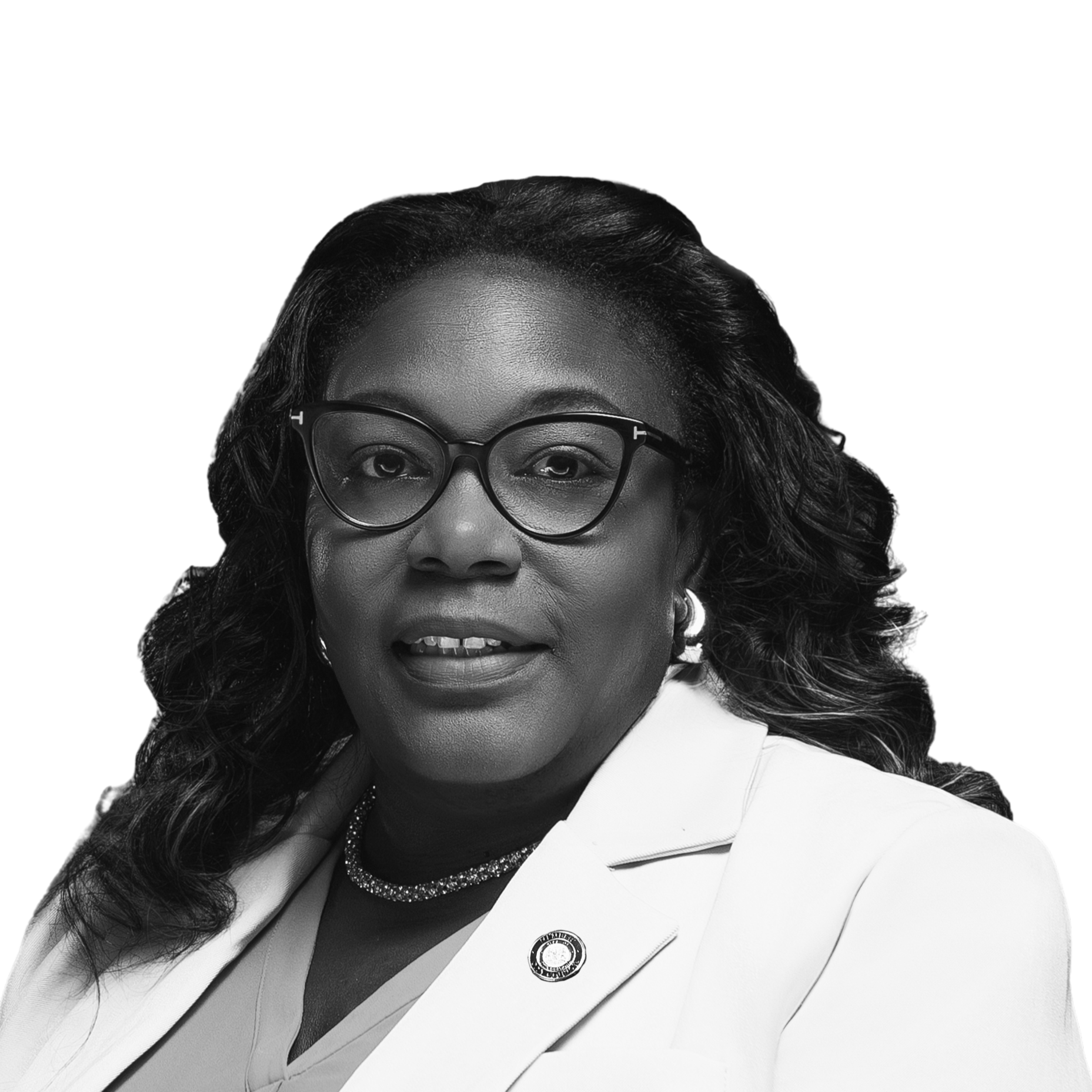
Kendra Brooks is the Minority Leader of Philadelphia City Council. She is a Councilmember At-Large from North Philadelphia and the first Working Families Party member ever elected to City Council. She has a background in organizing for social movements, public school advocacy, gun violence prevention, and restorative justice, all of which inform her priorities as an elected official. Some of her recent accomplishments include the POWER Act, which grants new rights and protections to low-wage workers; the nationally acclaimed Eviction Diversion Program and the end of for-profit evictions in Philadelphia; the Reproductive Freedom Task Force and historic funding for reproductive healthcare providers; expanding mobile crisis teams for mental and behavioral health; and protecting neighborhood-led community gardens.

Nicole is a fourth generation Philadelphian who brings 15 years of union and community organizing experience in Southeastern Pennsylvania, working alongside low wage immigrants and workers to win improvements in their lives and build long-term social movements. Currently, Nicole is the Pennsylvania Director of the National Domestic Workers Alliance, where she organizes nannies, housecleaners, and caregivers. Under her leadership, NDWA won the Philadelphia Domestic Workers Bill of Rights to provide workers rights for domestic workers for the first time in Philly history and the POWER (Protect Our Workers – Enforce Rights) Act to increase labor protections for 750,000 working Philadelphians. Nicole is a proud member of Jewish Voice for Peace and her union, CWA Local 1180.