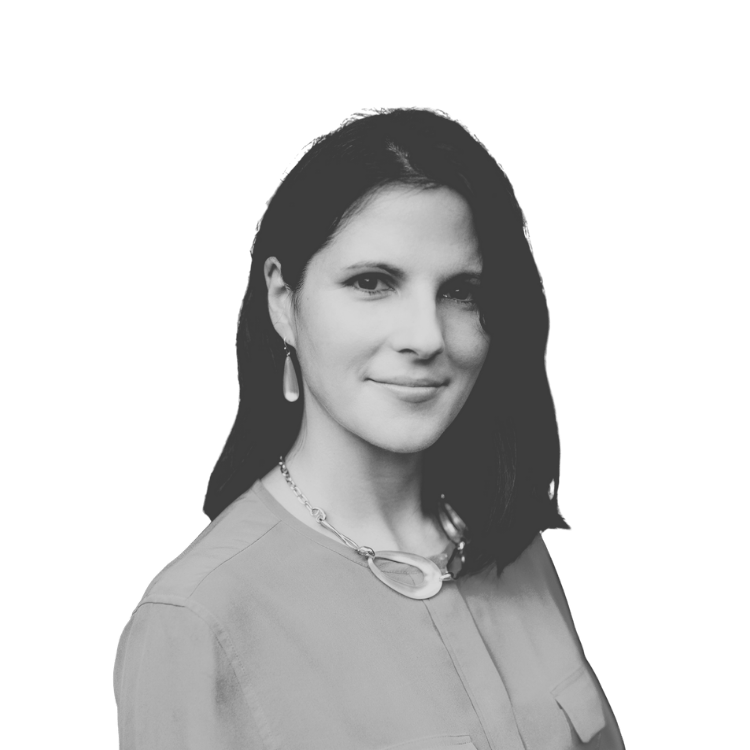
Producer and director Chris Landry’s new film series Reimagining Philanthropy critically examines the issue of philanthropy as the financial driver of movement and social justice work, and how movement leaders believe it can be fixed. Joining Chris is historian of US philanthropy and the author of White Philanthropy: Carnegie Corporation’s “An American Dilemma” and the Making of a White World, Dr. Maribel Morey. Dr. Morey appears in the series’ first episode, alongside many other leading voices reshaping the field and challenging long-held assumptions about how philanthropy operates.
Connect with Block & Build and more
- Contact us: [email protected]
- Subscribe to Convergence Magazine’s YouTube to catch the show live: Fridays at 2:00 PM ET / 11:00 AM PT
- Support this show and movement media like it: convergencemag.com/donate
- Movement Media Alliance
Disclosure: This post contains affiliate links to Convergence’s Bookshop. Purchases made through our bookshop support our movement media work.
This transcript was automatically generated and may contain errors.
[00:00:00] Cayden Mak: Welcome to Block and Build a podcast from Convergence Magazine. I’m your host and the publisher of Convergence Caden Mak. On this show, we’re building a roadmap for the movement that’s working to block the impacts of rising authoritarianism while building the strength and resilience of the broad front that we need to win.
[00:00:24] This week on the show, I’m joined by the producer and director Chris Landry. His new film series, reimagining Philanthropy, examines critically the issues in philanthropy as a financial driver of movement and social justice work, and how movement leaders believe it can be fixed. Joining Chris is a historian of US Philanthropy and the author of White Philanthropy, Carnegie Corporations and American Dilemma and the Making of a White World, Dr.
[00:00:45] Maribel Morey. She’s also a guest of the series first episode, which also features many other leading. Voices who are reshaping the field and challenging long held assumptions about how philanthropy operates. But first, of course, these headlines. Video footage that was made available to lawmakers with the September 1st boat attack by the US military shows two men struggling to survive on a floating piece of debris before being killed by a second strike.
[00:01:09] Under the orders of Pete Hegseth, who reportedly ordered the Navy to quote, kill them all. This is in gross violation of international and domestic law, including the Department of Defense’s own Law of War manual. It goes so far as to use the example of firing on shipwreck survivors, as an example of a clearly illegal order that service members would have a right to refuse.
[00:01:29] It really couldn’t get much clearer than this. But hypocrisy has never been a good talking point against these people. The Trump administration has of course, failed to provide any evidence for its claims that it’s targeting drug traffickers. Meanwhile, multiple family members of victims of the attacks are speaking out, defending their loved ones as fishermen being scapegoated by the US and some GOP senators have indicated that they’re going be joining their democratic colleagues.
[00:01:53] Calling to investigate how and why this all went down. The odds of ranking US officials being held accountable for crimes aren’t great, but a guy can help, on top of these horrors, Trump also pardoned ex Hunter and President Juan Orlando Hernandez. Hernandez was serving a 45 year sentence in an American prison after a 2024 sentencing for conspiring to import many tons of cocaine into the United States.
[00:02:16] I obviously don’t need to spell out the contradictions here, but in the same week that Hegseth is taking heavy criticism for doing war crimes under the flimsy guise of preventing drug traffickers raises questions. And it also raises a question that we’ve asked before about the administrative’s motives.
[00:02:32] Is this just another example of Trump cheekily aligning himself with a strong man who appeals to his ego? Or is this a move from the playbook of the fascist camp of his coalition, which loves to flaunt? The fact that the cruelty, cognitive dissonance, and crazy making of all this hypocrisy is indeed the point.
[00:02:49] To that end, this probably isn’t the talking point to use to try and convert your MAGA uncle at Christmas dinner in a few weeks, but it is something to keep an eye on. Finally we have to talk about how last week a veteran of the CIA’s shadow war in Afghanistan, Ramola La Nal, shot and killed a member of the West Virginia National Guard and critically injured another in Washington, dc.
[00:03:11] It turns out that lock NAL got refugee status because he helped the US as a member of a zero unit a CI, a trained paramilitary group made up of Afghans equipped by the US military and designed to carry out, to put it bluntly. Human rights abuses in the name of military intelligence lock. Andwell was living in Bellingham, Washington with his family and reportedly struggled to find full-time work while wrestling with profound mental health challenges undoubtedly attributable to his service in Afghanistan.
[00:03:37] While Craven fascists and the administration like Steven Miller are trying to make this story about how immigration introduces supposed bad elements to our culture, whatever the hell that means, it really is a story about how the global war on terror has torn apart societies and ruined lives. Lock Andal was literally a teenager when he joined his unit.
[00:03:55] His story is less one of people who were born outside the US bringing their culture here. Then a story of what happens when the US brings its culture of violence and impunity elsewhere. And has to deal the consequences. It’s also worth talking about the fact that these National Guard members were in DC for the most spurious of reasons.
[00:04:11] It’s us militarism all the way down, and it’s being twisted and weaponized to further justify the militarization of our borders, our culture, and our society. And the last thing I’ll say is this. The National Guard shooting and the investigations into aid fraud in Minnesota are being used to drive targeted scrutiny on specific immigrant communities.
[00:04:30] I’m not alone in worrying that this signals a shift in tactics away from the. ICE and CBP surge instead of a broad scattershot deployment. With far reaching impacts across multiple communities, we’re starting to hear that Afghan Somali immigrants are facing very specific threats from reopening, vetting processes, and increasing ice activity as their tactics change.
[00:04:53] We should be thinking about how we might need to update ours to be a deep solidarity with our immigrant neighbors.
[00:05:00] Sound on Tape: Hey everybody. This is Maurice Mitchell, national Director of The Working Families Party. I read and give to Convergence because it has become a home for me to engage in critical analysis, find practical advice for organizing and strategy and inspiration in the belief that a better world is not only possible, we can build it to make either a one time donation or become a sustaining member.
[00:05:25] Visit convergence mag.com/donate. You can find a direct link in the show notes. Thanks for listening.
[00:05:39] Cayden Mak: So on this show, we have never shied away from exploring the contradictions and limitations of the modern model of philanthropy as a primary driver of social justice and change work, which often depends on white wealth trickling down, and funding organizations that are pursuing liberation of the same communities that have historically been marginalized to generate that wealth.
[00:05:59] On December 3rd, my first guest, Chris Landry, launched the philanthropy film series, A series of e episodic short films, examining and critiquing the issues that movements face in our current philanthropic funding models. The first two episodes, feature leading movement voices, some of whom will be familiar to regular listeners of this show.
[00:06:17] And. These are folks who are reshaping the field, challenging long held assumptions about how philanthropy operates. In these first episodes, Landry and his participants explore philanthropy and racial justice and indigenous community funding. Chris is the director and the producer of these films, and he’s been a long time consultant for foundations and grassroots organizations around Comm strategy.
[00:06:37] His previous film Not On This Land, about the activists who stopped the Atlantic Coast Pipe Pipeline, was a 2023 Grand Journey winner at the Richmond International Film Festival. Chris, thanks so much for joining me today. Thank you, Caden. It’s great to be here. We are also joined by a panelist in the series and the historical advisor on the series, and the author of White Philanthropy, the Carnegie Corporations and American Dilemma, and the Making of a White World, Dr.
[00:07:00] Maribel Morey. Maribel, thank you so much for making the time to join us today as well. Thanks, Caden. Let’s start with a little context setting, Chris. Why this series and why now? What was the reason that you wanted to dig into these questions?
[00:07:13] Chris Landry: Among my clients, I worked with the Chorus Foundation for many years on their communications strategy and outreach.
[00:07:21] And as they were spending down they Farhad Ibrahimi, the president of the foundation wanted to think about what was, what would they leave behind to share with the field. And we decided on two things. One was a special issue. A supplement to the Stanford Social Innovation Review that came out about a year ago on the theme of philanthropy and power, and then we decided to make a film because while there are many really extraordinary books like the one that Maribel’s written and.
[00:07:51] Many others and white papers and panels. We thought that a cinematic approach to bring together some of the most thoughtful people in the field would maybe offer a fresh way of, for people to think about these issues.
[00:08:08] Cayden Mak: I think what’s interesting also is that the first episode. Really dives into the sudden growth and interest in racial justice in response to the 2020 George Floyd uprisings and kind of the failure of philanthropy to follow through on its promises after 2020.
[00:08:22] Let’s take a quick listen into a clip with some of your interviewees on that experience of 2020. A lot of our listeners will be familiar with some of the folks you have on, including Vinny Sali, who’s been on the pod before. Ashley Woodard Henderson, who’s on our advisory board.
[00:08:37] Sound on Tape: Very powerful time, 2020 to watch institutions that had previously steered clear of racial justice funding now come out of the woodworks and make pledges and promises in a way that we had never seen before. We were somewhat cautious and now looking back, we were wise to be cautious that many of those pledges and promises that were made in 2020 did not materialize because I had.
[00:09:04] I’m a student of history, and because I’m black and a woman and queer and southern, I knew that money wasn’t gonna last if it came to us at all because as soon as 2020 was over and the cameras had moved on, the money retrenched. That has been very demoralizing, frankly, to watch happen. As much as we’ve taught had this narrative about the hopes and promises of what it means to be the United States of America, what we continue to see is that we’re actually not prepared and willing to embrace a multiracial democracy.
[00:09:36] There’s a way that the right wing has made it taboo. To speak about racial justice in a way that is responsive to what our communities are asking for. There’s been a retreat. There’s been a retreat, and I have not seen philanthropy have the same courage as those of us that are on the front line.
[00:09:59] Cayden Mak: This has obviously had some far reaching consequences for our movements, but I’m curious about starting in 2020 and what was your thought process behind starting there?
[00:10:08] Chris Landry: We started there because it’s, it’s a significant moment in the history of philanthropy. There are a number of them through the years, through the past a hundred or so years of modern institutional philanthropy. But that one and the rush to fund racial justice and then the real withdrawal of those funds and the intimidation and the fear of using the terms racial justice and other terms.
[00:10:31] That you could say leads directly to the situation that we’re in now. So we wanted to explore that. What happened? Why did that, was there, that retrenchment, what’s the history of philanthropy? What can the history of philanthropy tell us about that? And what is required in this moment, especially of progressive funders who are interested in democracy and racial justice.
[00:10:54] Cayden Mak: And I think it’s very interesting, and this is where I’m gonna pull you in Maribel, and I’m gonna do the slightly cringe thing where we’re gonna watch a clip of you talking about your expertise, but this deep history that underlies us philanthropy, which is very ideological and rooted in a really specific story of race and capitalism.
[00:11:13] So let’s watch that clip. It’s, I think it’s clip number two. And then we can talk a little bit about. An American dilemma and the intervention that you’re trying to make, Maribel.
[00:11:23] Maribel Morey: He is writing to fellow Americans and he says, I see this rise of interest in socialism. I see my fellow Americans supporting a form of redistribution of wealth that I just cannot support because it’s great that capitalism makes it really hard for people to meet their necessary needs because that will just push people to work even harder.
[00:11:45] And if you just do a redistribution of wealth through a socialist structure, or even provide too much charity to people. They just won’t have that gumption to lift themselves up by their bootstraps. So I have another better form, and this other better form of wealth redistribution is philanthropy. So we leave the economic structure as it is in the private sector of wealth and equality.
[00:12:09] And then when the absolutely wealthy reach a certain point of excess wealth, then that would be the people’s money. And that person who made the money is best situated to give it away. He suggests giving money to hospitals, to libraries, to cultural centers that will lift the spirits of the people. And we see John d Rockefeller mimicking that model of philanthropy.
[00:12:31] And even to today, we have people such as bill Gates and Darren Walker celebrating Andrew Carnegie’s model of philanthropy. So he had a vision of unifying the Anglo-Saxon world. It was from Scotland, and he went to the us So he saw himself as part of this transatlantic culture. His secretary later explained to the Carney Corporation.
[00:12:52] What he meant were white communities in the British Empire. So it was explicit in the writing white communities, the settler communities are the ones that he wanted to help most. And if there was ever any funding initiative for other communities such as Black Africans, it was. In order to help a problem perceived by the white communities.
[00:13:13] And today, people will not be as explicit, but we’re still rooted in that history.
[00:13:21] Cayden Mak: I’m interested in hearing a little bit more, and I think our listeners might benefit from a little more backstory on an American dilemma. So could you tell us a little bit more about that piece of writing and what it says about the sort of cultural philanthropy in the United States?
[00:13:36] Maribel Morey: First Chris, congrats on producing that segment. I love the, all the choreography or cinema, what’s the right word for it? Cinematography, or, yeah, it works. Thank you. Okay. It’s beautiful. Thank you. Yeah. And the historical artifacts were great. Okay, so in response to your question, Caden, I would say that clip is talking about the 1910s and twenties.
[00:14:01] So the early years when you still have someone such as Andrew Carnegie, who’s alive. He passes away in the 1910s and the first generation of professional workers. And foundations you’ve seen them in the 1920s and Fed p Keppel becomes a longstanding president at Carney Corporation from the twenties to the forties, and he oversees the commissioning and funding of an American dilemma.
[00:14:23] Historically, many Americans have associated this study directed by a Swedish economist by the name of Al as one of the. Hallmarks a monumental moment in the history of civil rights in the us. The Supreme Court and Brown V Board of Education cites to this two volume study in order to justify its holding that segregated public schools were unconstitutional.
[00:14:48] So what I do in the book in White philanthropy is take a step back and say and ask what is the history of this study? What was the intention behind it? So as much as many, and many white Americans specifically might remember this study as being the quintessential definition of racial equality. Who funded it, why, and what were the intentions behind it?
[00:15:10] And going into the archives, we see that study was intended by its funders, Carney Corporation, to be a continuation of that earlier history I described in that clip. So they were particularly and continuously invested in helping white policy makers across the Atlantic manage dominate black people.
[00:15:28] Sound on Tape: And
[00:15:29] Maribel Morey: so when they no longer saw education as being enough of a panacea, then they started turning also to the social sciences as a tool of control. And then American Dilemma is part of that history.
[00:15:42] Cayden Mak: That’s really interesting. And I feel like, I feel like there’s a really deep and profound contradiction here in the way that we understand the role of philanthropy.
[00:15:52] And when I was thinking about this question, I was also thinking about the contradiction between the way that I think a lot of like progressive philanthropy today wants to fund pro-democracy organizations, which makes a good sense to me. But that is a contradiction in terms of. Like what you’ve found in your research and the sort of like goals of the commissioning of that study.
[00:16:15] What are the things that you’ve seen people do to work through these contradictions? Either like more recently or even historically looking back in the past since an American dilemma came out.
[00:16:28] Maribel Morey: It’s really hard because at the heart of it, one thing that we have to confront is that a lot of these actors that we look at now as proponents of racial domination, we’re actually perceiving themselves as advocates of racial equality.
[00:16:42] So Andrew Carnegie would’ve self described as someone who was a friend of black people, for example, and he supported black institutions. And Fedrick p Keppel also envisioned a world of racial equality. But as I’m, this is I’m, am I proposing or promoting a book that I’m writing right now? Yes, it’s so I’m writing a book called The Philanthropic Mind in Fraught Times.
[00:17:06] And one of those, one of the things to look at is a theory of change. So as much as one can be a proponent of racial equality as an ultimate outcome. What are the levers of change and whose sensibilities are most considered? So in both of these cases, whether it was a Tuskegee educational model or an American dilemma, it was really white Americans.
[00:17:28] Sensibilities comfort that was prioritized. And they’re the ones who would stay with and control the levers of how the intermediate outcomes, how the causal chain would continue. So I think that’s the question to have is it’s not really a question of who. In favor or against racial equality, but whom we leave in the driver’s seat to define the activities and also how quickly the causal links will move, the levers of change, and then also who gets to define the ultimate vision of racial equality.
[00:18:05] Cayden Mak: Yeah, no I think that is. Like it, it helps to zoom out to this higher level that’s there’s a structure that is in place that is quite invisible to a lot of people. And I think like in even invisible to sometimes people who are working within the field. And that seems to be like an important intervention that this series is making as well.
[00:18:27] I, the other thing that, that I would love to talk a little bit about, because I am personally preoccupied with this in a very profound way, is the way that there is this long-term commitment from right wing. Foundations to building infrastructure for their movements. And then in this first episode, there’s a lot of discussion of the like year to year, like contingent funding models that a lot of progressive foundations use.
[00:18:55] Let’s start by checking out this clip. You’ve got n. Maka Abo from Tali Foundation, ashes in it. And then also Vanessa Priya Daniel, who’s a previous guest on this pod talking about philanthropy and asking this question that can we commit to long-term social justice visions?
[00:19:15] Sound on Tape: One of the things that we observed with the repeal of rural versus Wade is that was a 50 year fight, a decades long commitment to repealing policy that had been the so critical to who we are as a nation to a country.
[00:19:32] And so what would it look like for progressive racial justice philanthropy to commit themselves over decades to the fights that social movements are leading? We have to really learn how to stay the course and how to be bold and take it right up to the line and to calibrate things and risk, not necessarily about what’s gonna protect our institution, but what is the necessary thing to survive as a species.
[00:19:58] Can you imagine what would’ve happened if philanthropy was like, we know it’s right, especially since we’re touting that we’re trust-based philanthropists and social justice philanthropists to be like, we’re gonna keep doing what? Is making us trustworthy. We’re gonna keep doing what is related to social justice as it relates to racial equity, and if they sue us, we’ll fight.
[00:20:24] Cayden Mak: I think in this political moment, I’m like, yeah, that is the stance you should take. ’cause a lot of us are freaking out. But I’m,
[00:20:32] Chris Landry: yeah, I just,
[00:20:32] Cayden Mak: yeah,
[00:20:33] Chris Landry: go ahead Chris. I just say as I watch that clip, it is just reminds me what a gift it was to sit down and talk with these people.
[00:20:40] And of course when we make a film, it we’re just. Using a few minutes from each interview that went on for an hour or hour and a half or, and just so many extraordinary people in this one episode, what, who have decades of really fighting for their communities. It’s so remarkable. People.
[00:21:04] Cayden Mak: Yeah, totally. Yeah.
[00:21:05] I’m curious about this conversation about long term infrastructure and. I imagine, Maribel, you have some thoughts about this too, that like what are some of the lessons that have come out of making this film that you’re like, oh, there’s an opportunity around long-term investment in the kind of infrastructure that we need to build multiracial democracy in the United States.
[00:21:27] What is the lesson for philanthropy?
[00:21:29] Maribel Morey: So I look at it in two directions in dialogue with foundations and then more horizontal in dialogue as Chris was highlighting all the wonderful people on the, in the film. So on the first point in dialogue with foundations trust, and it was mentioned in the clip, it.
[00:21:43] Being in the found in the Ford Foundation archives, I saw pretty early on when there was a turn to fund more community organizations. In the sixties and seventies, the trust level decreased, and you can only see it from the perspective of staff and board members when they’re moving beyond your ecosystem of fellow Century Club members.
[00:22:03] And Ivy League schools, they’re just a little bit more doubtful or question a bit more how people are using the funds who’s participating. So all of a sudden you start seeing officials going and asking to be participating a participant in the meetings and overseeing more of the day-to-day.
[00:22:21] Whereas they would give more, leverage, more space to their colleague who’s at a museum in New York City or at a university. So that’s one to realize how trust is very much very much has a racialized history in the history of philanthropy.
[00:22:37] And regional too. And then, but at the same time, who knows if we can reform foundations, there’s such a central element of capitalist life.
[00:22:47] And I would say that to Chris’s point and also to the points made in the clip such a value. Is realizing and noting all these hopeful people who want to make the world more equitable, better inclusive, and also necessarily more peaceful because if you have a more participatory world just yesterday I was reading on the Vatican’s statement on women’s ability to become part of the diaconate and you realize, wow, some of these structures are so deeply misogynist.
[00:23:17] And so maybe we can’t change the structure, but as a friend said. Just getting to meet everyone on the journey is a gift in itself.
[00:23:28] Chris Landry: Yeah, that’s great. What I would add is that we heard again and again and not for the first time in this project but in city after city where we were filming with folks is that, funders on the left have been more timid than funders on the right in terms of democracy funding or perhaps anti-democracy funding, depending on what side you’re on.
[00:23:54] And so that there’s this feeling that, oh, we can, we can’t get too political. Things like that. And then, at the same time we’ve heard stories, and this is in the film too, of people saying we need to. We need to share the decision making power because we’re, we haven’t succeeded the structure, as you said earlier, Caden, the structure has not succeeded.
[00:24:15] And so what can we do about that? And that means changing. Who decides? So Crystal Halen, for example, talked other Democracy frontlines fund and that they hired a team of women, mostly black women, but not entirely who. Made all the decisions about how to move roughly $75 million. That was contributed by foundations after the murder of George Floyd.
[00:24:43] Cayden Mak: Yeah, I mean I think that this also gets to this sort of like delicate dance in some ways that’s like it does matter who is giving out this money. It matters where the money is coming from, matters where the money is going. And also like how do we struggle through these questions of the model of philanthropy is maybe is what is the extent to which we can reform the structure of philanthropy? And I think that there’s. Th this is an interesting time to be asking these questions because of the sort of like prevailing political environment, but I also think that there’s a way that the political moment does open the door to helping people think more critically about the situation that we’re in.
[00:25:33] And I’m wondering, I know Chris, at the beginning of this first episode, it says that you interview. D did these interviews, was it right after the 2024 presidential election?
[00:25:43] Chris Landry: No, it was right before we, okay. These interviews were all conducted between May and I think September of 2024.
[00:25:52] Cayden Mak: Got it. Yeah I’m curious what some lessons and insights from those interviews feel timely to you now that we sit a little over a year later.
[00:26:01] What feels like immediate to you, looking back on that stuff.
[00:26:07] Chris Landry: The one main thing that pops out and Vanessa Priya, Daniel and several others talked about it is the idea of risk. And institutions by nature tend to avoid risk. They try to mitigate risk and so they’ve been cautious.
[00:26:24] Many of them, many have not been, and we’re seeing now that some are really stepping up and trying to lead in a different way. But that the. Pulling back and saying, oh, we can’t fund this. We can’t fund that anymore. You need to take these phrases out of your proposal and send it back to us.
[00:26:43] That, that kind of avoidance of risk has done real harm to the frontline groups who are fighting for human rights around the country.
[00:26:53] Maribel Morey: Chris, I was gonna jump in there if it’s helpful. So before the Cold War, these foundations, none of ’em were associated necessarily as, particularly lefty in the us so from the 1910s to the 1930s the major criticism you heard from many Americans was, why should we trust these institutions that are founded by individuals who have stomped on the average American? So much. So for example, like strike breaking in Carnegie Steel would we want them to be influencing our children’s education?
[00:27:23] Now after, during the Cold War you start seeing an association of these foundations, some of them as being perhaps lefty, a funding social science, relating that to socialism. What’s interesting is when you mentioned risk that. For many of them. And I’m thinking just from the 1950s onward, we just don’t see foundations being pulled in by Congress for being too conservative.
[00:27:45] But you do get them coming in for being too lefty. So the perceived risk is to be seen as too lefty. So it’s not a value neutral term for the risk.
[00:27:56] Cayden Mak: Yes, exactly. I also wonder about that with regards to like the long shadow of the multiple red scares that we’ve had in this country, right?
[00:28:04] That it strikes me that. And I don’t know if this is gonna be something that makes sense to you, Maribel, based on your research, but like thinking about that interplay between philanthropy as a tool for in some ways the capitalist class to protect itself. And then. That the trend in like us political culture to go after people who are perceived to be or might actually be communists, right?
[00:28:32] That that long shadow is still looming over us. As we engage in this work and as we engage in asking hard questions about like how to make philanthropy more, more effective. Yeah. I’m wondering if you have thoughts about that, Maribel.
[00:28:47] Maribel Morey: I look at it from our perspective. Just I look at WB Du Bois.
[00:28:52] We look up to him so much and he had the FBI on him. He, lost his passport. He passed away as an expat. There are kids on lunch counters throwing food on ’em for the simple ask of being treated with full dignity. So I think for me, the lesson is that it’s not an easy route. And there, it’s just the way it is to stand up. I think for our own and other people’s full humanity and dignity comes with a lot of cost and not necessarily a check from a foundation.
[00:29:24] Cayden Mak: Yeah, that’s right. Oh, I think that one of the, what the other thing that you cover in this first episode is the way that philanthropy has backtracked on its investments in social justice since 2020.
[00:29:38] I wonder if you’re run that clip. I think it’s clip number five.
[00:29:43] Sound on Tape: Fear operates, is that it has a way of shaking us up and instilling in us a fear that we will be next. And so we do what we can to hedge our bets. We are so scared that our relevance. That our sense of belonging is tied to our positions in philanthropy is tied to our ability to exist as a philanthropic institution, that we do their work for them.
[00:30:12] What I think this moment is calling for is who are those that are willing to lead into the confrontation so that we can actually start to unpack and disrupt and shift the narrative around what it means to specifically resource black indigenous community. Of color so that we can lift up the other ways of moving forward that we know actually challenge white supremacy.
[00:30:39] The question is, can so many of our philanthropic peers rise to the occasion?
[00:30:47] Cayden Mak: I feel like the phrase that Abo uses in that clip, doing their work for them is something that we have really been hearing a lot in terms of the relationship between various institutions and the like, repression or the like yeah, the repression coming from the Trump administration these days.
[00:31:04] I’m wondering Chris, if you could talk a little bit to that context of what she’s talking about and, this sort of like challenge that we’re facing now that’s like people are backtracking on their commitments and there’s not a lot of accountability for it.
[00:31:19] Chris Landry: Yeah. You know what it, I thought of our interview with Ashley Woodward Henderson we did that interview at the Highlander Center, one of the sacred sites in American Civil rights and, they were firebombed in 2019. Yeah. Main building burnt to the ground by a white supremacist. Based on the evidence and the dangers and the risks that, that people who have been fighting for our democracy, because the only way we have democracy in this country is if we racial democracy.
[00:31:53] And that’s a central question that this, that this film poses but a central question that we’ve been confronting and dealing with, for several hundred years. And so the only way we do that is the way that it’s being happened. The people who have been building that they’re under threat, and they.
[00:32:15] They are giving their full selves to this work, and they deserve adequate funding to keep themselves safe and to complete this work. And I think it’s a challenge not only to philanthropy, but to the whole society because many of us live our lives and are not even aware of the organizer and the activists who are really on the front lines every
[00:32:38] Cayden Mak: day.
[00:32:40] Yeah, for sure. Maribel, I know that you have to take off. Thank you so much for making time to join us today. I don’t know if you have any sort of like concluding thoughts, if there are places that people can find you in your work if they’re interested. Just wanna make sure that you get that in.
[00:32:52] Thanks
[00:32:52] Maribel Morey: Kaden. Before
[00:32:53] Cayden Mak: we take off
[00:32:53] Maribel Morey: I would just add that as much as we acknowledge the reality that to do this work is hard and there are consequences and philanthropy would not always be behind liberatory work. It should. If we do think about an organ in society that is about the love for mankind, then it should support efforts that promote the full dignity and humanity of our fellow human beings.
[00:33:18] So it’s a balance between re realizing the shortcomings and the limitations of philanthropy, but hoping more from it.
[00:33:24] Thank you for having me on.
[00:33:25] Cayden Mak: Yeah, thank you so much. Take care. And I’m sure we’ll talk again soon.
[00:33:28] Maribel Morey: Okay. Thanks.
[00:33:30] Cayden Mak: Thanks. Chris, the other thing I obviously wanna talk about is where the series is going next.
[00:33:34] I know that episode two is out that is specifically about the ways that philanthropy has been working in collaboration with indigenous communities. Not necessarily telling them how to be, but like some models for creating greater self-determination. Maybe we can take a look at the sort of preview clip of that episode and we can talk a little bit about that.
[00:33:53] Episode and what’s coming next? Alright.
[00:33:57] Sound on Tape: Our theory of change at Indian Collective is really focused on investing into the self-determination of indigenous people. Our belief is that it creates a more just and equitable world, not just for indigenous people, but for all people. Indian Collective was not created by the field of philanthropy.
[00:34:18] It was created by those of us that were grassroots organizers in the ground. We do not use the language intermediary. We have our own theory of change that’s based on our politics and our lived experience, and we’re asking philanthropy to invest into it, whether it be trying to close the racial wealth gap, protect the environment, improve education.
[00:34:37] Build a stronger economy. Our philosophy is that you have to work directly with impacted indigenous people and put that decision making power back into the hands of their communities by investing into them getting philanthropy and wealth holders. To give up money and decision making power over that money.
[00:34:59] We’re liberating resources from these institutions that have gotten resources at some point in history from the exploitation of indigenous people’s land. We’ve been moving that money to the people at the pace faster than any institution buy-in for indigenous people in the history of philanthropy in America.
[00:35:19] Cayden Mak: I’ve watched the episode, it’s pretty cool. Tell me a little bit about. Making it and the work with Indian Collective.
[00:35:25] Chris Landry: Yeah. And of course that’s Nick Tilson president of Indian Collective, and that episode is actually not available yet. We’re, we have a couple of more things to, to clean up. And I should say that all of the episodes will be available and the first episode currently is [email protected]. So you know when we set out to do this project with Farha and Chorus and. After conversations with many people in and around philanthropy we decided to take an episodic approach rather than to make one feature length documentary.
[00:36:02] And it was very clear that we needed to look at the issue of funding to a communities which despite decades of discussion and people pointing out the data still, hovers around half of 1% to. 0.8% of, less than 1% of all philanthropic dollars going to indigenous communities who have some of the greatest need in the country.
[00:36:25] And having said that, we decided to focus on one organization, Indian Collective, which is doing remarkable work and really has a different model of their work and really liberating foundations from having to figure out where that money goes. So the money is brought in and it’s.
[00:36:42] Distribution is determined by indigenous people. And so it’s really it’s a beautiful model and to date they’ve given away over a hundred million dollars.
[00:36:52] Cayden Mak: Nice. Let’s talk a also a little bit about what are the, what is the episode arc that you have planned? What are the episodes to come?
[00:37:01] Chris Landry: We’ll make I believe two more episodes in 2026, and we have a number of ideas in mind. Certainly there’s a story in resistance to auth, authoritarianism and philanthropy’s role in that. But there are other issues. Honestly, I’d love to hear from folks. What stories do you think are really.
[00:37:24] Need to be told. And again, people can go to philanthropy films.org and send us a message and we’d love to hear from people. We’d love to hear from potential collaborators who would like to work with us, because honestly, there are so many possible stories. Philanthropy is a fascinating thing. It’s role in American society is really an extraordinary thing.
[00:37:43] It goes beyond sometimes people talk about the. The funds, the assets held by foundations are relatively, they’re quite small compared to, total GDP, but the impact philanthropy gets to endorse organizations and endorse movements and withdraws. And organizations as well. So the field has some power and has certainly a lot of influence, and so I don’t know exactly where we’re gonna go, and that’s part of the fun.
[00:38:16] And, but we’ll see. There, there’s a lot of different ways we can go with it.
[00:38:22] Cayden Mak: Yeah, no, that makes sense. I think the thing that you were also saying earlier about approaching this as an episodic project as opposed to something that’s just like a, like single sort of more feature length film seems like it also gives you a lot of latitude to explore potential contradictions and people who might see things.
[00:38:42] Sort of not even necessarily at odds with one another, but perhaps like orthogonally to one another, which is I think, yeah there’s a, there’s definitely a lot there. And I think that like the point that you’re making here also about the influence of philanthropy on our cultures also, really I don’t, I think it’s correct that like people don’t necessarily understand how it is that philanthropy does that, and whether that’s like.
[00:39:06] W whether that’s for the good or not is it is up for grabs. Like it’s something that is like contestable, and it’s terrain that we need to be fighting on.
[00:39:15] Chris Landry: It is. And one thing I wanna add, because philanthropy rightly is criticized for shortcomings, but we did not want a project that was about that or that was entirely about that because there are people.
[00:39:30] And institutions who understand and they have heard and they’ve listened and they’ve changed how they operate. I think the ALI organization, which we talk about in the, in this episode, the first episode is a really wonderful example of that amount of money being turned over so that the donors are not making the decisions about where the money goes.
[00:39:53] It’s really an extraordinary thing in the context of American philanthropy. And there, there are other examples as well. And so what we’re interested in is what are the opportunities, what are the possibilities and what’s the potential philanthropy in this time when we have multiple crises, right?
[00:40:09] We’re really at the brink in many ways. How can philanthropy use the. Limited resources that it has to get us to a better, to help get us to a better place.
[00:40:22] Cayden Mak: Yeah, super important questions and especially in a time when. I, the it is about the climate, it is about democracy, but it is also about like wealth inequality and these other things that are going on that I think that like the being able to dig into some of that deeper history with Maribel as well I think serves us well in the asking those questions about how can we do this better?
[00:40:43] How can we do it in ways that are more accountable, more reflective, and don’t create, recreate the mistakes that people have made in the past.
[00:40:51] Chris Landry: Yeah. And it is, oh, go ahead. No, you go. It’s, I think it’s a field in which many of the donors, because new donors are coming in all the time, new staff members.
[00:41:00] New trustees. I think that it’s a field that. Doesn’t necessarily know. Its really interesting history. And honestly, I think that I would love to keep this series going and dig into that because every decade, over the last a hundred years or more there are fascinating stories to tell.
[00:41:20] Some good and some bad but they’re, I think they’re all informative and instructive.
[00:41:25] Cayden Mak: Totally. Totally. Is there anything else I know that you made an ask of our audience around if there are other stories that people want to lift up. Is there anything else that you wanna share with folks?
[00:41:34] Any other asks that you have for our listeners?
[00:41:38] Chris Landry: I just love for people to to share it on, if you’re on LinkedIn to we have a philanthropy films page, you can go to my LinkedIn profile. Chris Landry and probably find it through there. Because, these, the people in these films, they’re very thoughtful, they’re very creative people, and they have a lot of wisdom to share.
[00:42:01] And I’d love to to have many people learn from them.
[00:42:05] Cayden Mak: Thanks so much for making the time, Chris. We’ll definitely be paying attention to the next few episodes and, yeah. Thanks for making the time to talk and reflect on this important project.
[00:42:14] Chris Landry: Thank you Kate. It’s been a pleasure to be
[00:42:16] Cayden Mak: with you, to talk about it.
[00:42:17] Appreciate it. Excellent. My thanks again to Chris Landry and of course, Dr. Maribel Morrie for joining me today. The first episode in philanthropy films is available to watch for [email protected] and more on the way. We’ll definitely put a link to that and also Dr. Morrie’s book in the show notes.
[00:42:34] This show is published by Convergence, a magazine for radical. I’m Caden Mak, and our producer is Josh Stro. Editorial assistance is provided this week by Akin Ola and Kimmy David designed our Cover Art Convergence Magazine is a proud founding member of the Movement Media Alliance. And if you’ve got something to say, please do drop me a line.
[00:42:53] You can send me an email that will consider running on an upcoming mailbag episode at [email protected]. And if you’d like to support the work that we do at Convergence, bringing our movements together to strategize, struggle, and win in this crucial historical moment. You can become a [email protected] slash donate.
[00:43:10] Even a few bucks a month goes a long way to making sure that our independent small team can continue to build a map for our movements, and I hope this
[00:43:16] helps.
Episode Guests

Chris Landry is a communications strategist and filmmaker who consults to foundations and grassroots organizations working on social, racial, and environmental justice. His film “Not On This Land,” about the fight against the Atlantic Coast Pipeline, was awarded a grand jury prize for best environmental film at the 2023 Richmond International Film Festival. He lives in western Massachusetts.